Vitrealab Helps Shape the Next Generation of AR Light Engines


 Back to top
A new industry roadmaphighlights our portfolio company’s contribution to smaller, more efficient lightengines for augmented reality glasses.
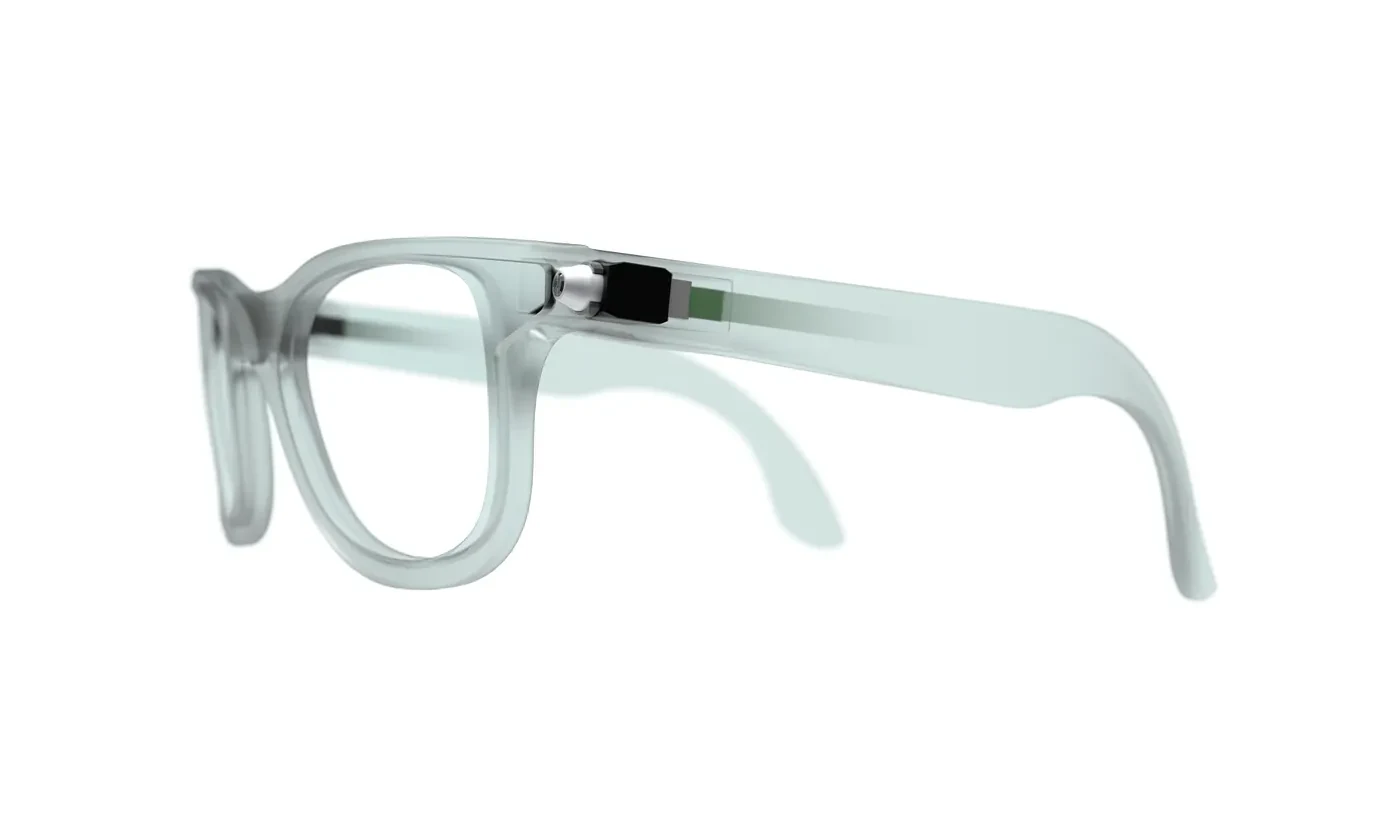
For augmented reality glasses to become part of everyday life, their displays must meet demanding requirements: bright enough for outdoor use, small enough to fit comfortably into eyewear, and efficient enough to preserve battery life. These are the challenges our portfolio company Vitrealab is working to solve not at the level of thedisplay panel, but at the level of the light engine that illuminates it.
A September feature in Photonics Spectra, co-authored by Vitrealab CTO and co-founder Dr. Jonas Zeuner, explores how liquid crystal on silicon, known as LCoS, can evolve to meet those demands. Developed by AR Alliance members, the five-year roadmap brings together advances in display panels, laser illumination, selective lighting, and thinner optical architectures. Vitrealab’s technology features among the approaches supporting that evolution. Read the Photonics Spectra feature.
Controlling light inside a compact chip
Vitrealab’s contribution startswith its Quantum Light Chip (QLC): a glass photonic integrated circuit thatguides and shapes laser light through a three-dimensional network ofmicroscopic waveguides written into the glass with femtosecond lasers.
The chip distributes red,green, and blue laser light into precisely controlled beams that illuminate anLCoS panel. The panel forms the image, while the illumination supplies its brightness and color. Nano-imprinted micro-optics on the chip surface collimate each beam, and an integrated despeckling stage co-designed with the chip averages out the speckle and interference fringes that have historically kept laser-illuminated LCoS out of consumer products – while the panel still sees astable, uniform illumination pattern. This is what lets Vitrealab deliver bright, uniform illumination within a light engine of about half a cubic centimetre.
This approach addresses several requirements together. Because the chip emits a narrow, directionalcone of laser light instead of the wide-angle emission of an LED, far fewerphotons are lost in the optics and the waveguide – the main lever behind thegains in efficiency, brightness and field of view – while the narrow spectrumof lasers supports a wide colour gamut. Just as importantly, the LCoS panel,its electronics and the existing supply chain stay unchanged: Vitrealabupgrades the illumination, not the display. The glass-based design also provides a foundation for scalable, wafer-level manufacturing. Explore Vitrealab’s technology.
Using power where the image needs it
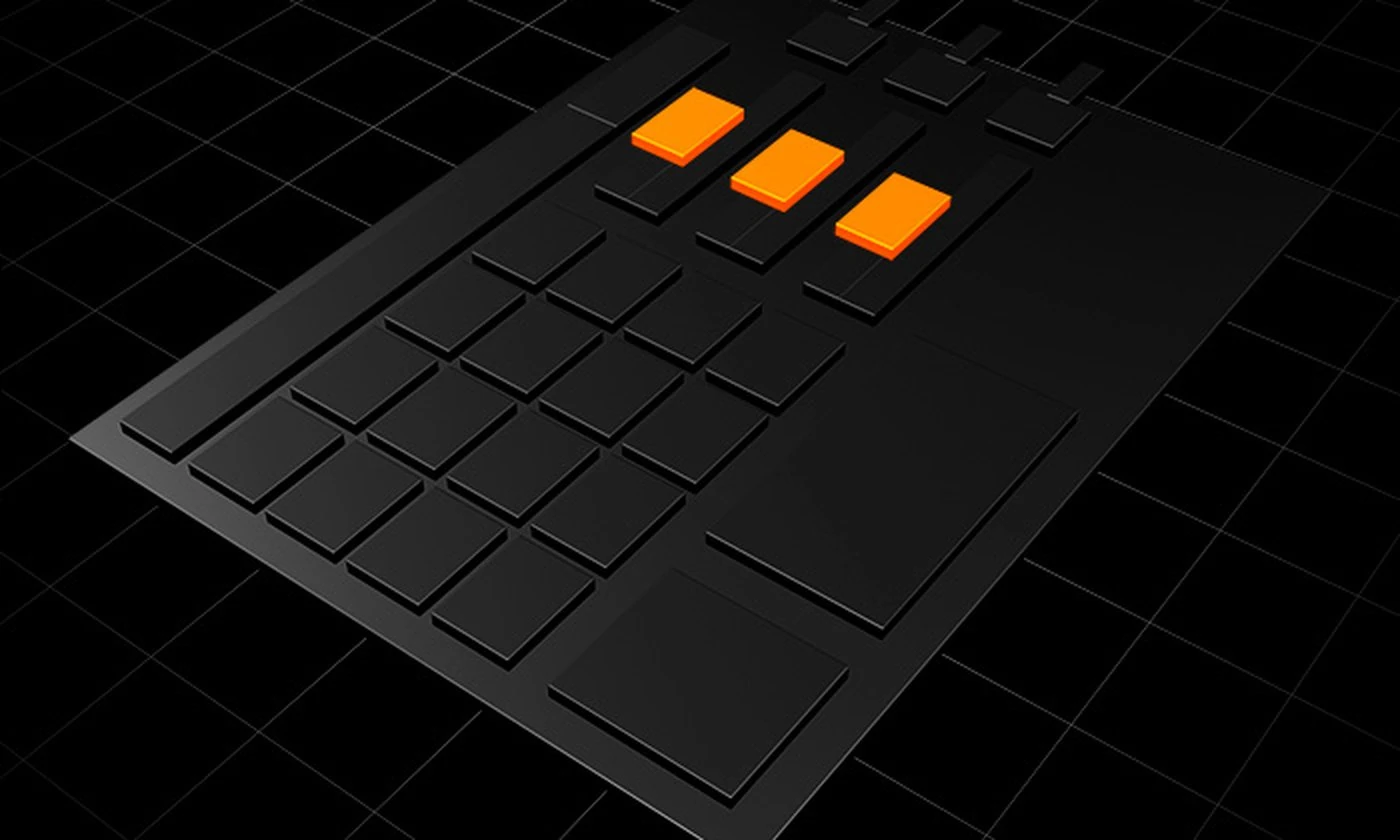
One development highlighted in the roadmap is adaptive zonal illumination Vitrealab’s local illumination technology: lighting only the display regions containing content. Imagine glasses showing a navigation arrow in one part of the view. Selective illumination could reduce the energy spent lighting unused areas.
The article reports that Vitrealab has already demonstrated a two-zone implementation. This provides a practical example of the approach, while the roadmap’s broader efficiency and miniaturization goals remain development targets. Photonics Spectra.
Connecting technical progress with manufacturing
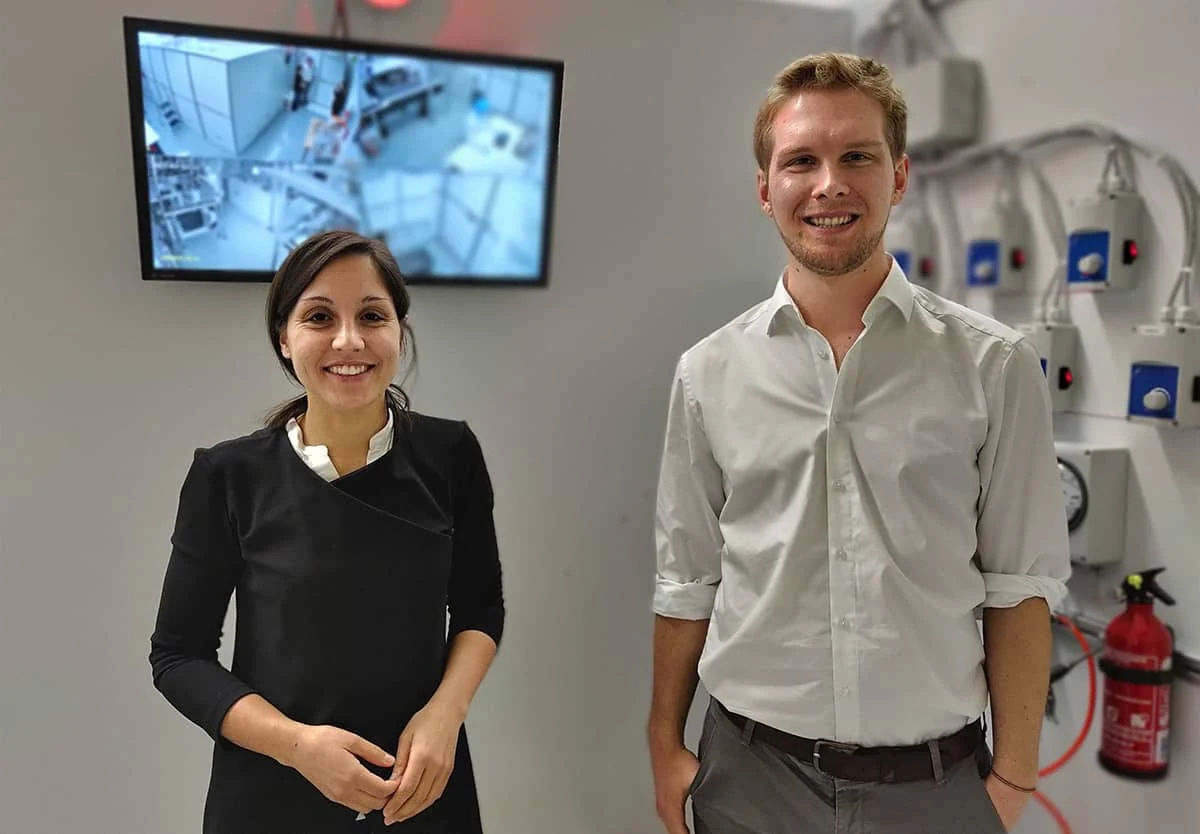
Alongside its light-engine development, Vitrealab has expanded its cleanroom facilities to support increased production. The additional capacity is intended to improve manufacturing consistency, increase throughput, and support further miniaturization as the company works toward wider commercial deployment. Read our earlier portfolio update.
For us at Constructor Capital, the combination of optical engineering and manufacturing development is particularly compelling. Bringing advanced hardware into everyday products requires both a strong technical foundation and a repeatable way to build it.
We see Vitrealab’s contribution to this roadmap as a meaningful example of that work: translating photonics expertise into light-engine components designed around the practical demands of wearable displays. We are proud to support the team as it develops the technology that could make AR glasses more useful, comfortable, and accessible.